Generic selectors
Exact matches only
Search in title
Search in content
Post Type Selectors
post
product

Astarte's Temple

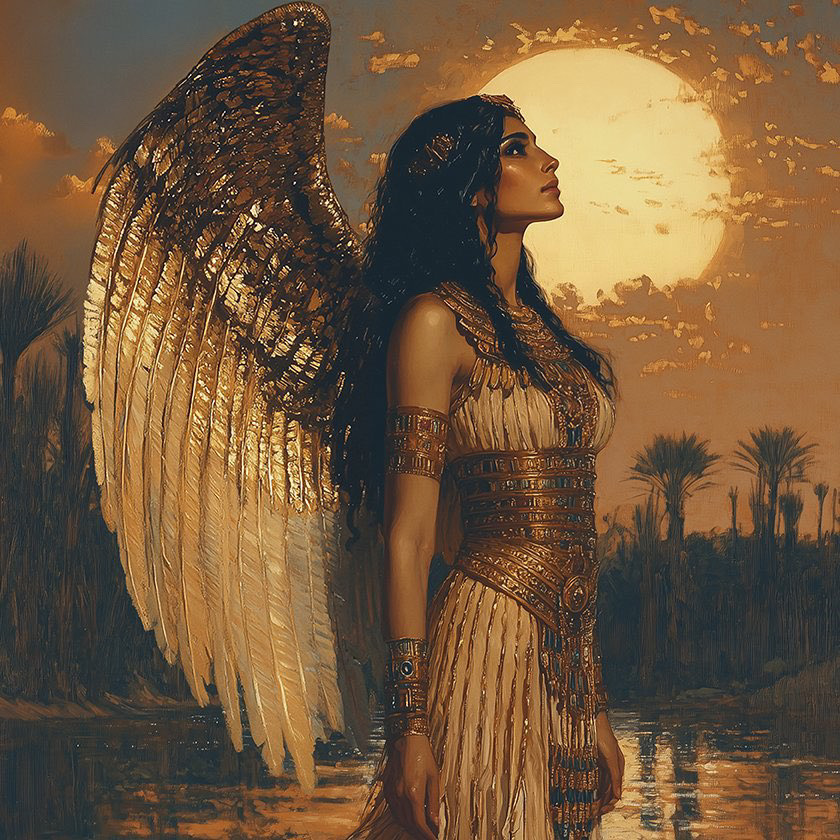
We believe Astarte is the forgotten Mother Goddess or feminine Holy Spirit that pre-dates modern monotheistic religion. The erasure of the Divine Feminine has been something many religious leaders have contributed to—why? Because SHE holds the power of creation, destruction, intuition, wisdom, and infinite possibilities through her energy, which we view as true, abundant, limitless magick. Throughout history, this Mother Goddess has taken on the names of Sophia, Asherah, Mother Mary, Venus, Isis, Aphrodite, Cybele, Ishtar, Inanna, Mary Magdalene, Hekate, Yemaya, and countless others throughout various cultural traditions, time periods, and needs of the people. 

Though all of these goddesses are not interchangeable and have their respective roles, personalities, and such within their unique cultures and time periods, we still recognize their syncretization and overlap.

Regardless of what you call her, the divine feminine is alive today.
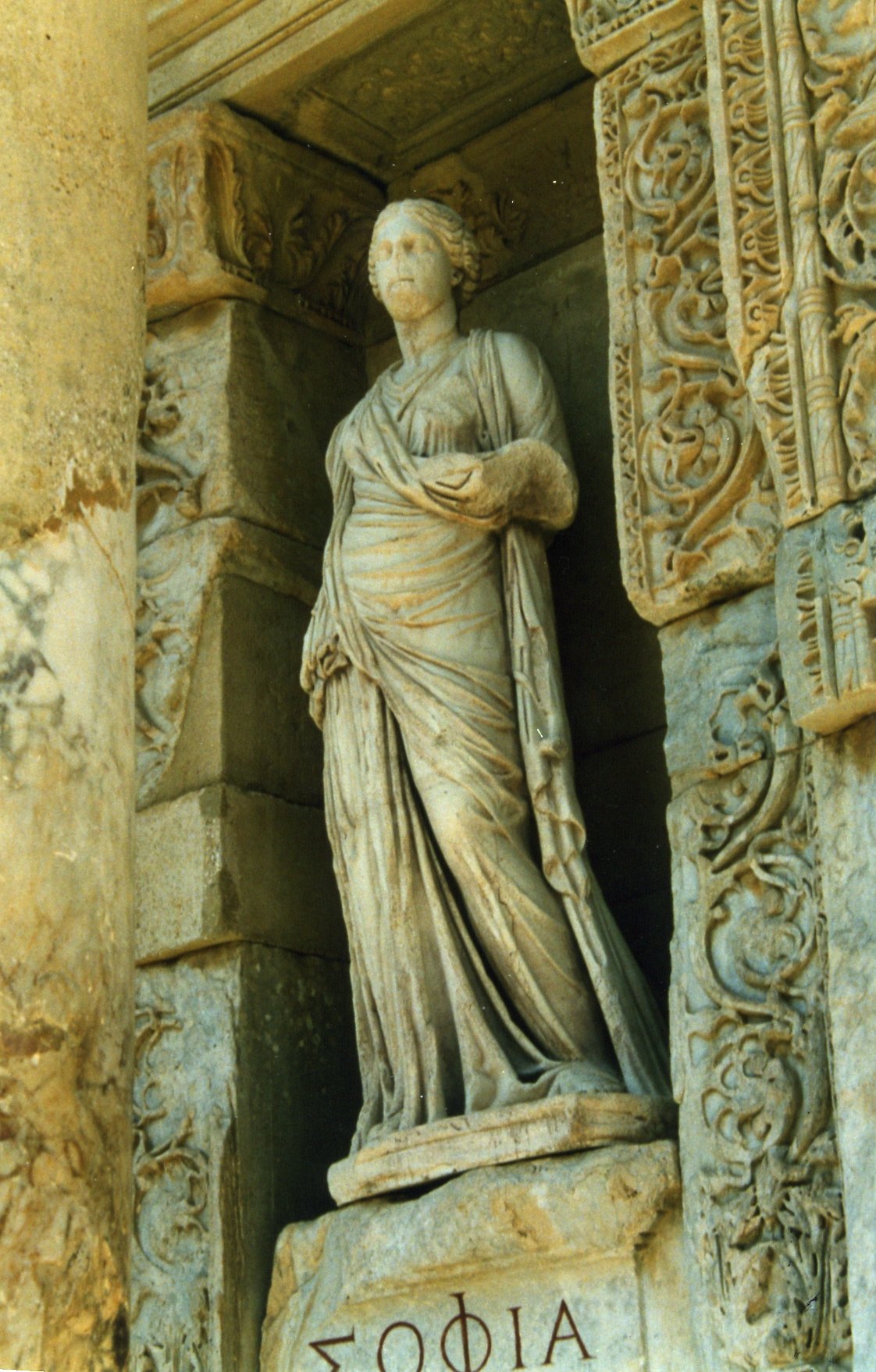
“I am the Wisdom of God, the wisdom He used to build the world. I was with Him as He laid the foundations of the universe and placed the stars to light the firmament. I am the Wisdom through which your kings and rulers use to govern their kingdoms. Without me, they are lost and end up driving themselves and their own kingdoms to ruin. You seek me, and at the same time despise me. You prefer Ignorance to me. You love me and hate me at the same time. Who I am? I am Sophia, the Lady Wisdom.”
—Sophia
The Lady Wisdom

Who is Lady Wisdom?

She is the Divine Mother as known in ancient traditions throughout the globe that pre-date monotheism. In Canaan, she was remembered by the names Astarte or Asherah and bore the title of the Queen of Heaven, Mother of the Gods, and was the embodiment of Cosmic Wisdom itself.

Why haven't I heard of her?

The Divine Feminine has been intentionally erased and re-written throughout history, including the name and memory of her. From Mary Magdalene being rebranded as a prostitute to the temples of Isis and Inanna being destroyed, to Astarte or Asherah being labeled "demonic", the legacy of the goddess has been labeled wicked, but she is the original Holy Spirit and sacred wisdom of the divine—anything but evil.

How can she be honored today?

The feminine aspect of the divine can be honored today any time spiritual practitioners choose to connect with goddess energy, listen to their intuition, and embrace the rituals and esoteric wisdom of ancient times. Whether you refer to her as Astarte or any of her other names, makes no difference to us. She is the true Holy Spirit, Lady Wisdom.

The Lost Wisdom of Sophia Virtual Class | Now Enrolling

Discover the truth of the Gnostic Goddess Sophia, her synchronicity with other divine feminine beings, quiet erasure from biblical texts to preserve religious patriarchy, and the ancient wisdom that she taught her followers.

Sophia is a central idea, concept, goddess, or personified divine being in Hellenistic philosophy and religion, Platonism, and Gnosticism. It’s worth noting here as well that the word philosophy (philosophía) itself is directly linked to the figure of Sophia as well and literally translates to lover of wisdom. So, to be a philosopher is quite literally to be a lover of Sophia, a lover of Wisdom.
ENROLL NOW

Meeting the Goddess Through Astrology, Artistry, and Mysticism

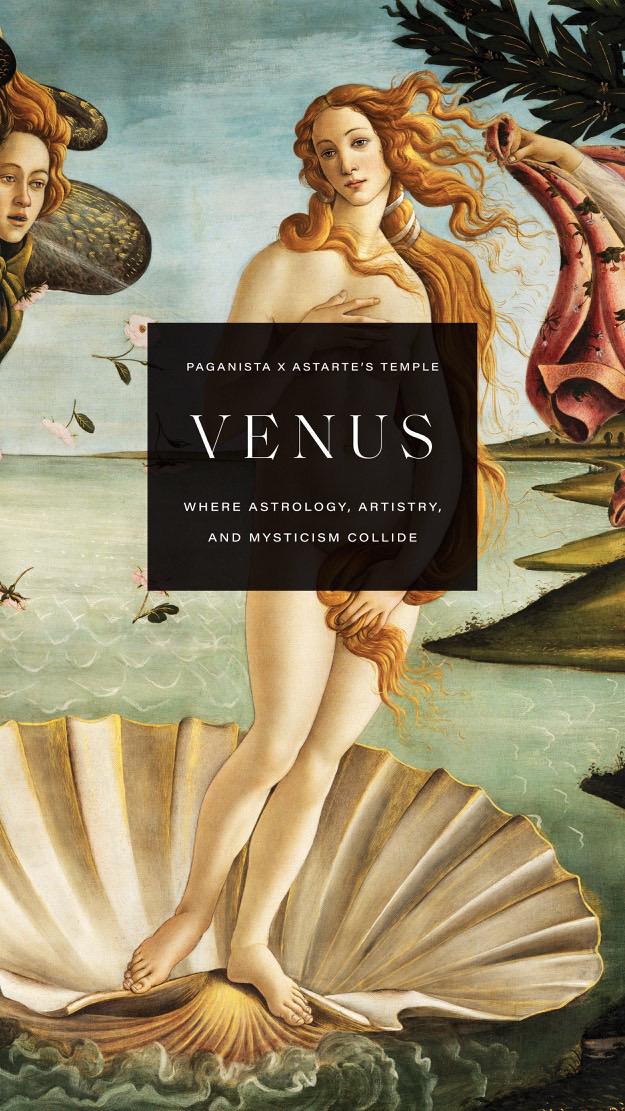
Recently, Astarte's Temple and The Paganista collaborated on an article titled, Venus: Where Astrology, Artistry, and Mysticism Collide highlighting the many names and forms of the Great Divine Feminine Goddess of old.

"In Sumer, she was Inanna: a goddess of both love and war, who descended into the underworld to face her shadow and rose transformed. In Babylon, she became Ishtar, fierce and untamed. To the Phoenician and Canaanite peoples, she was Astarte, the Queen of Heaven and the Mother of the Gods. And to the Egyptians, she was Isis, the goddess of magick and motherhood. These older versions of Venus were not passive muses—they were initiators, wild forces of nature who ruled both beauty and destruction. They embodied the full range of feminine power: pleasure, grief, seduction, rage, creation, loss."
READ THE ARTICLE
    cart