


Wicked, both as a celebrated Broadway musical and its recent film adaptation in 2024 (and yes, I am BEYOND ecstatic for Part II coming out in just a couple weeks), draws audiences into a world of dazzling spectacle and memorable music. Yet beneath its vibrant pink and green surface, the story pulses with spiritual themes that resonate with anyone of belief systems that defy the modern monotheistic religious movements seen throughout the world—especially those centered on the divine feminine and her struggle against deeply entrenched patriarchal systems of abuse, suppression, and discrimination.
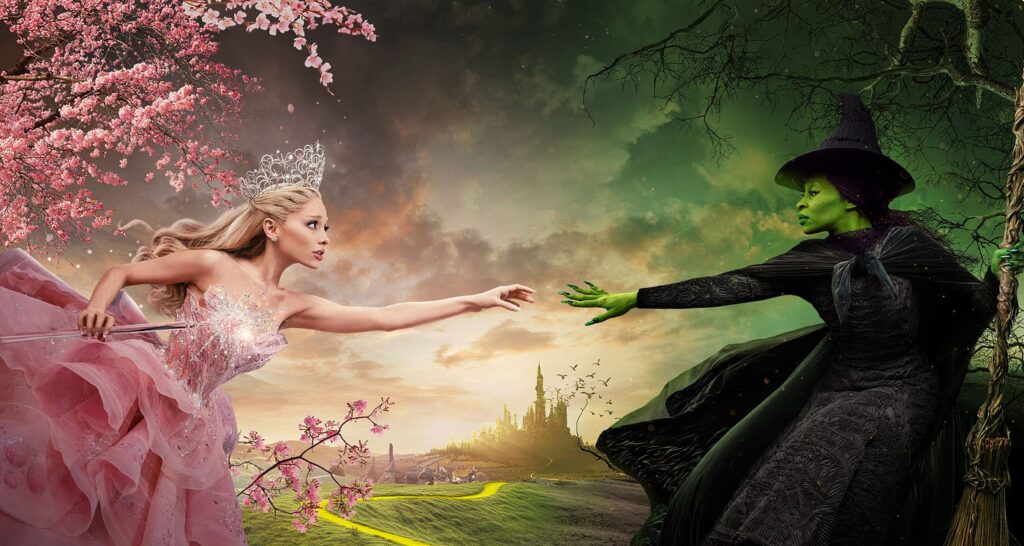
"Are people born wicked? Or do they have wickedness thrust upon them?" —Glinda
The Divine Feminine Embodied
At its heart, Wicked reimagines the Land of Oz by centering Elphaba—the so-called Wicked Witch of the West—not as an actual villain, but as a misunderstood outcast whose journey resonates with ancient archetypes of feminine wisdom and power. The wickedness thrust upon her, is merely an assumed role, taken on in opposition of the crimes of the "Great and Powerful" Oz. Elphaba’s green skin, often ridiculed and feared, symbolically marks her as “other,” echoing how women who deviate from normative expectations are marginalized or demonized. Even more so in the context of women of color, women of "alternative" or "non-traditional" spiritual practices, and women who are queer.
"The best way to bring folks together is to give them a real good enemy." —The Wizard (Oz)
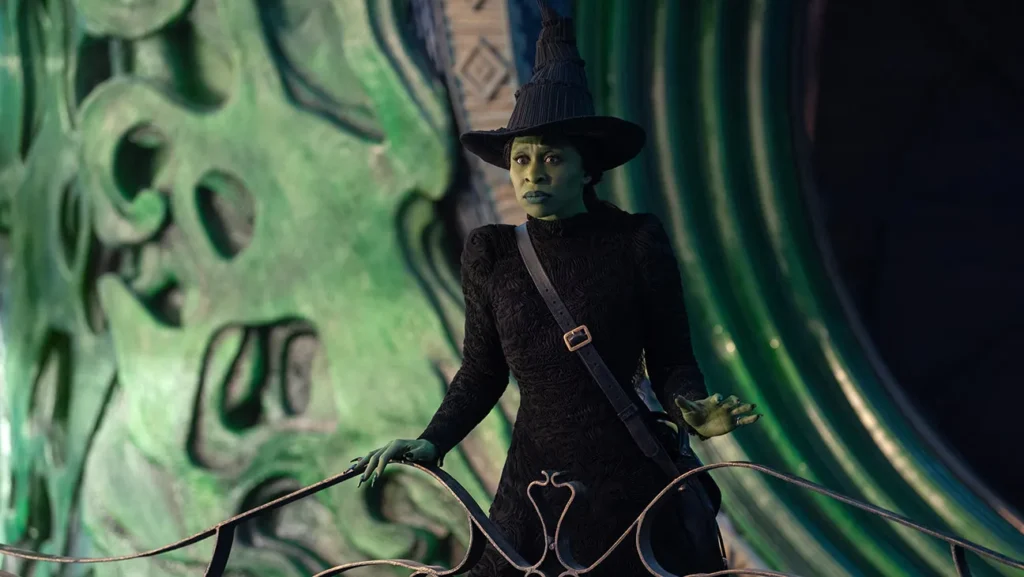
Remember, in modern times, minorities aren't the enemy, but rather the ones who place the targets on the backs of those they fear are the truly wicked ones.
In Wicked, Elphaba’s story is one of awakening to her own strength, intuition, and compassion. Her magic is not merely a plot device; it represents the latent spiritual gifts often associated with the divine feminine—healing, nurturing, and restorative power something feared by religious leaders and politicians for centuries.
Rather than using her abilities for personal gain or aggression, Elphaba consistently seeks justice for the oppressed (such as the talking Animals), demonstrating empathy and moral conviction. This contrasts with Oz’s patriarchal authority figures who wield power through manipulation and fear.
In the context of today, it's all-too-easy to see the parallels between Oz and modern political and religious leaders, who parade around as mighty and powerful, but are wicked, malicious, and cruel abusers. When we consider the nature of the goddess, she is everything that opposes actual wickedness. And yet, somehow she's the one who is demonized time and again throughout history.
Patriarchy in Oz: Systems of Suppression
The film's depiction of Oz is not just whimsical fantasy—it truly is a pointed critique of authoritarian systems that suppress voices challenging the status quo.
Elphaba: "You have no real power."
The Wizard (Oz): "Exactly. That's why I need you."
The Wizard, representing patriarchal authority, maintains control by spreading misinformation and punishing dissent. Sound like anyone in modern society? Glinda’s journey from conformist “good witch” to Elphaba’s ally further illustrates how women are co-opted into upholding patriarchal values before awakening to deeper truths.
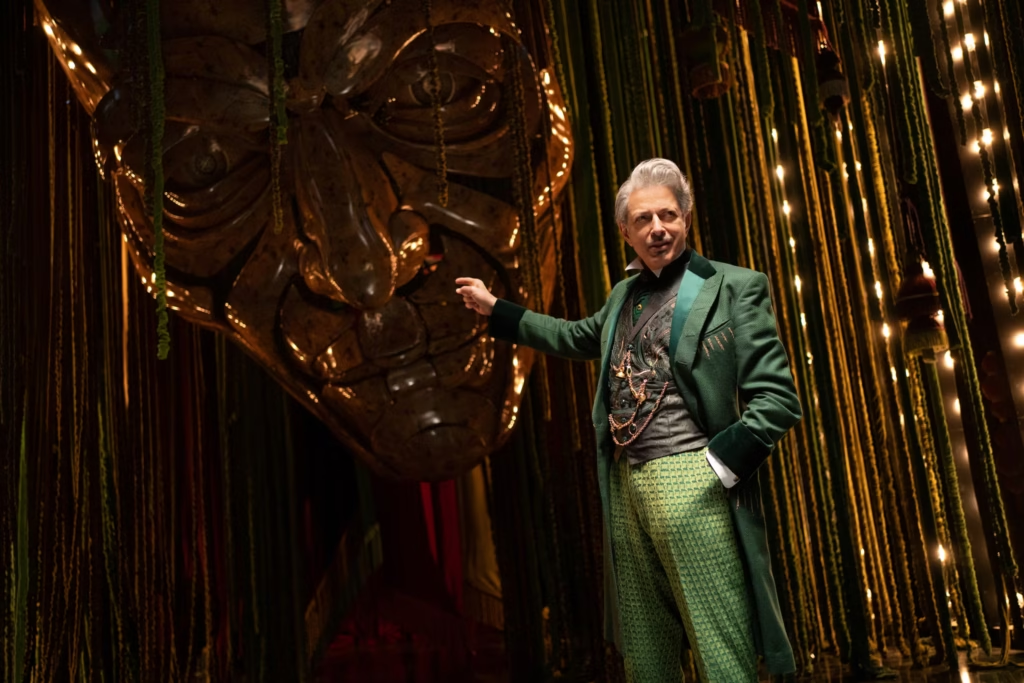
And to be clear, that is no knock on anyone. After all, I've been there myself. Raised in a conservative household, an eldest daughter, and a fearful rule-follower, I was at one point also the conformist "good girl." But as many do, and you as well I'm assuming if you're reading this, you became an authentic witch, who was not fooled by the narrative of conformity, dogma, or tradition.
Elphaba’s resistance to these systems is spiritual as much as political. She refuses to silence her intuition or betray her sense of justice for acceptance or safety. In choosing authenticity over compliance, she exemplifies a key aspect of the divine feminine: the courage to speak truth to power even at great personal cost. As the goddesses of old, and their followers, always have.
Spiritual Sisterhood and Transformation
Another central aspect of Wicked is the evolving relationship between Elphaba and Glinda. Their friendship transcends rivalry and societal expectation, becoming a source of mutual empowerment.
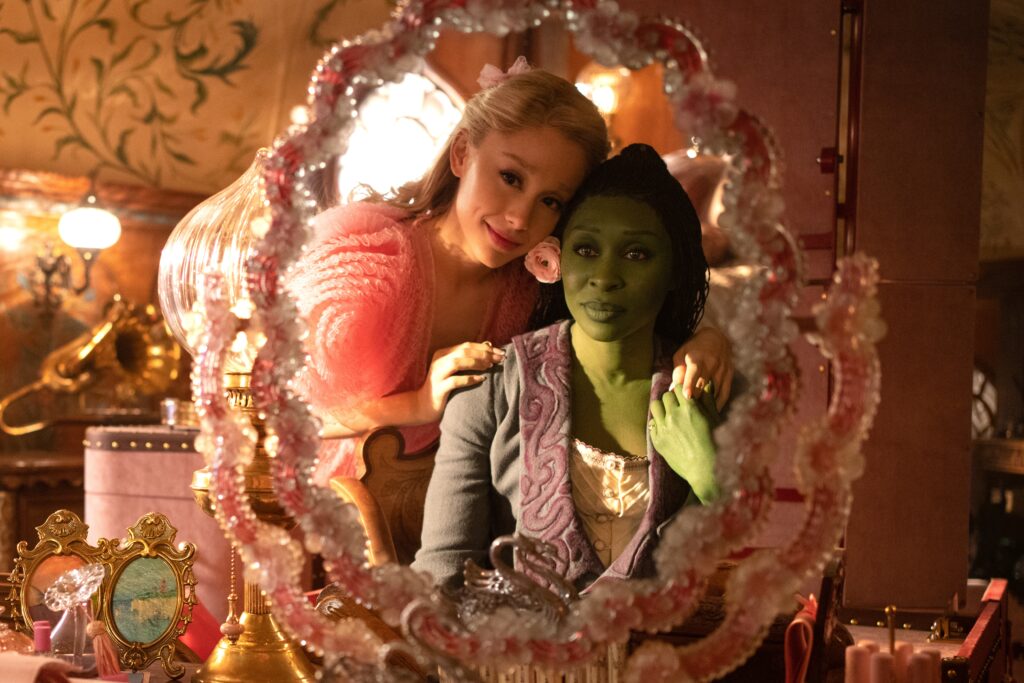
And honestly, this is something that practitioners today could really learn from, because often in the magickal space there's a lot of division between those who identify as Right Hand Path vs. Left Hand Path or working with light and healing energy vs. dark and baneful energy. In reality, neither is good nor bad, both play a role, and learning the art of balancing Yang and Yin energy is so important. But back to Wicked... This sisterhood reflects spiritual traditions that honor collective feminine wisdom, from both "extremes", if you will—and it's force truly capable of healing divisions wrought by patriarchy.
Elphaba’s ultimate “fall from grace” (sounds a lot like the goddess imagery we see with Lilith, Inanna, and Sophia) is reframed not as tragedy but transformation—a symbolic death and rebirth that aligns with myths of the dark goddess or wise witch. She survives exile by embracing her true self, suggesting that liberation comes through self-acceptance rather than external validation.
If you found this insightful and would like to see more articles on spirituality in cinema, let me know in the comments, and I'll continue to share my thoughts.
